
The Importance of Breathing Masks in Modern Health
In an era where environmental concerns and health awareness are at an all-time high, the role of breathing masks has become increasingly significant. Whether it’s to combat airborne pollutants, reduce the spread of infectious diseases, or improve overall respiratory health, these protective gear items have transitioned from niche products to essential components of daily life. Understanding their importance requires a deep dive into respiratory health, the advantages they provide, and the impact of recent global events.
Understanding Respiratory Health
Respiratory health is critical to our overall well-being. The lungs are vital organs that facilitate the exchange of oxygen and carbon dioxide, which is essential for life. However, exposure to pollutants, allergens, and pathogens can lead to chronic respiratory conditions such as asthma, chronic obstructive pulmonary disease (COPD), and even lung infections. The World Health Organization (WHO) estimates that air quality is responsible for millions of premature deaths annually. Hence, taking preventative measures, such as wearing breathing masks, can significantly mitigate these risks.
How Breathing Masks Improve Quality of Life
Breathing masks are designed to filter out harmful particles from the air we breathe, including dust, pollen, smoke, and pathogens. By providing a barrier, they help reduce the incidence of respiratory ailments and improve the quality of life for individuals with preexisting conditions. Notably, during high pollution days or in crowded spaces, wearing a mask can give individuals peace of mind and enhance their ability to engage in outdoor activities without fear of respiratory distress.
Key Statistics on Breathing Mask Usage
The surge in breathing mask usage has been significant in recent years. For instance, research indicates that over 70% of urban populations, particularly in areas with high pollution levels, now utilize some form of respiratory protection regularly. Additionally, during global health crises, such as the COVID-19 pandemic, mask usage skyrocketed, with compliance rates reaching above 90% in many countries. This shift highlights the growing recognition of the importance of proactive health measures.
Types of Breathing Masks and Their Benefits
Comparing N95, Surgical, and Cloth Masks
There are various types of breathing masks available, each suited for different purposes:
- N95 Masks: These masks filter at least 95% of airborne particles. They are designed to fit snugly around the face, providing better protection against respiratory pathogens. N95s are particularly crucial in healthcare settings.
- Surgical Masks: Primarily used in medical environments, surgical masks protect against large droplets and fluids. They are less tightly fitted than N95s but are essential in preventing the spread of infections.
- Cloth Masks: While less effective than their medical counterparts, cloth masks remain popular for everyday use. They can significantly reduce the transmission of respiratory droplets and are widely customizable.
Innovations in Breathing Mask Technology
As the demand for effective breathing masks continues to grow, technology has progressed significantly. Innovations include masks with built-in ventilation systems, smart masks with air quality sensors, and even antimicrobial fabrics that reduce the likelihood of bacterial growth. These advancements cater to a broader audience and enhance comfort, making prolonged use more feasible.
Choosing the Right Mask for Your Needs
Selecting the appropriate breathing mask depends on several factors, including the setting, duration of use, and specific health concerns. For individuals with asthma or other respiratory issues, N95 masks are typically recommended in high-risk environments, while cloth masks may suffice for casual use. Understanding the strengths and weaknesses of each type is crucial when making a choice.
Trends Influencing the Popularity of Breathing Masks
Impact of Global Health Events
Global events, such as the COVID-19 pandemic, have reshaped public perception regarding the necessity of breathing masks. The widespread implementation of mask mandates showcased their effectiveness in reducing transmission rates, thus leading to lasting behavioral changes. This has established masks as a standard public health tool, even in the absence of a pandemic.
Increasing Awareness of Air Quality Issues
Heightened awareness around air quality has also driven the popularity of breathing masks. With global air pollution levels rising, individuals are more conscious of the need to protect themselves. Educational campaigns about the health risks associated with pollution have resulted in an increased demand for protective measures.
Government Regulations and Recommendations
Various governments have introduced regulations encouraging or mandating the use of masks in certain settings to protect public health. This has further normalized mask-wearing in both healthcare and non-healthcare environments, contributing to its increasing acceptance and regular use.
Best Practices for Using Breathing Masks
How to Properly Wear and Care for Masks
To maximize the effectiveness of breathing masks, proper usage is essential. Masks should fit snugly over the nose and mouth, with no gaps at the sides. It’s also crucial to replace single-use masks regularly and wash cloth masks after each use to maintain hygiene.
Common Mistakes to Avoid with Breathing Masks
Some common mistakes people make include: wearing masks that are too loose or too tight, touching the mask frequently while wearing it, and failing to clean reusable masks adequately. Recognizing these errors can prevent diminishing the protective benefits of mask-wearing.
Expert Tips for Maximizing Effectiveness
Experts recommend wearing breathing masks in both indoor and outdoor settings where air quality is compromised. For individuals engaging in physical activities, opting for lightweight masks with moisture-wicking properties can enhance comfort without sacrificing protection. Moreover, it’s beneficial to stay informed about your local air quality index, adjusting mask usage based on current conditions.
The Future of Breathing Masks in Daily Life
Predictions for Breathing Mask Innovations in 2026
Looking ahead to 2026, it’s anticipated that breathing mask technology will continue evolving. We can expect to see advancements in filtration technologies and materials that enhance comfort while ensuring optimal protection. Smart masks that can sync with mobile applications may also gain prominence, providing insights into air quality in real-time.
The Role of Masks in Fitness and Outdoor Activities
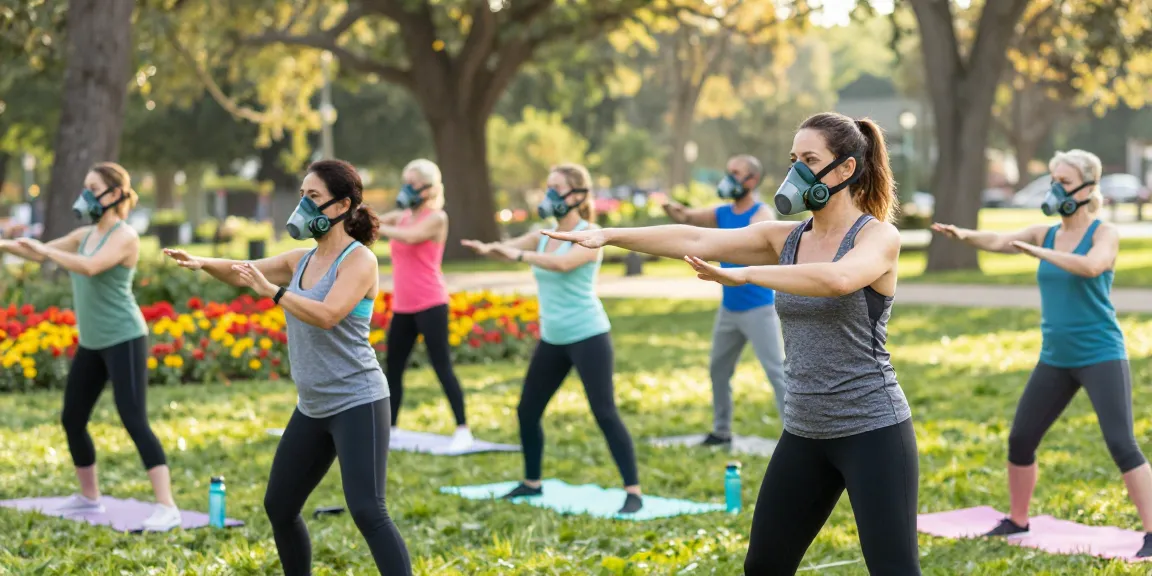
With increased focus on health and fitness, the role of breathing masks is likely to expand in outdoor and fitness activities. Masks designed specifically for athletes, focusing on breathability while maintaining safety, will likely become popular among fitness enthusiasts concerned about outdoor pollution.
Community Impact and Social Acceptance of Masks
As mask-wearing continues to be integrated into societal norms, communities are increasingly embracing this practice. Social acceptance will enhance compliance, especially in areas where air quality is a concern, resulting in healthier populations overall.
How to Identify Quality Masks?
When seeking to purchase breathing masks, it’s vital to look for those that meet established safety standards. Certifications such as NIOSH for N95 masks or ASTM ratings for surgical masks can provide assurance of quality and effectiveness. Moreover, reviews and ratings from reliable sources can guide consumers in selecting the best options.
Are Breathing Masks Necessary for Daily Activities?
The necessity of wearing breathing masks in daily activities is increasingly recognized in urban areas or regions affected by poor air quality. Exceptions may be made for individuals in rural settings or during times when air quality is deemed safe. Overall, adopting a mask-wearing habit can protect against a range of pollutants.
What are the Environmental Implications of Disposable Masks?
While disposable masks are critical for health protection, their environmental impact cannot be overlooked. The surge in usage has led to rising concerns about plastic waste. As a result, many manufacturers are focusing on biodegradable materials and recyclable options to address environmental concerns.
What Should You Look for in a Breathing Mask?
Key factors to consider when selecting a breathing mask include filtration efficiency, comfort, fit, and breathability. Masks that are adjustable and made from skin-friendly materials will enhance user experience. Additionally, ensure that the mask is easy to clean or dispose of properly to adhere to hygiene standards.
How Can Breathing Masks Protect Against Pollution?
Breathing masks, particularly those with high filtration ratings, can significantly reduce inhalation of harmful particulate matter found in polluted environments. These masks trap pollutants, allergens, and pathogens, providing a protective barrier that helps maintain respiratory health.
Will Mask Wearing Continue Post-2026?
With shifting attitudes towards health and safety, it’s likely that mask-wearing will persist even after 2026. As awareness of air quality and health risks continues to rise, individuals may choose to wear masks as a preventive measure, incorporating them into their daily lives as a norm rather than an exception.